

Eric Windeler Turned Private Sorrow Into Shared Language
Remembering the Jack.org founder, his work with young people, and the language he helped give a generation.
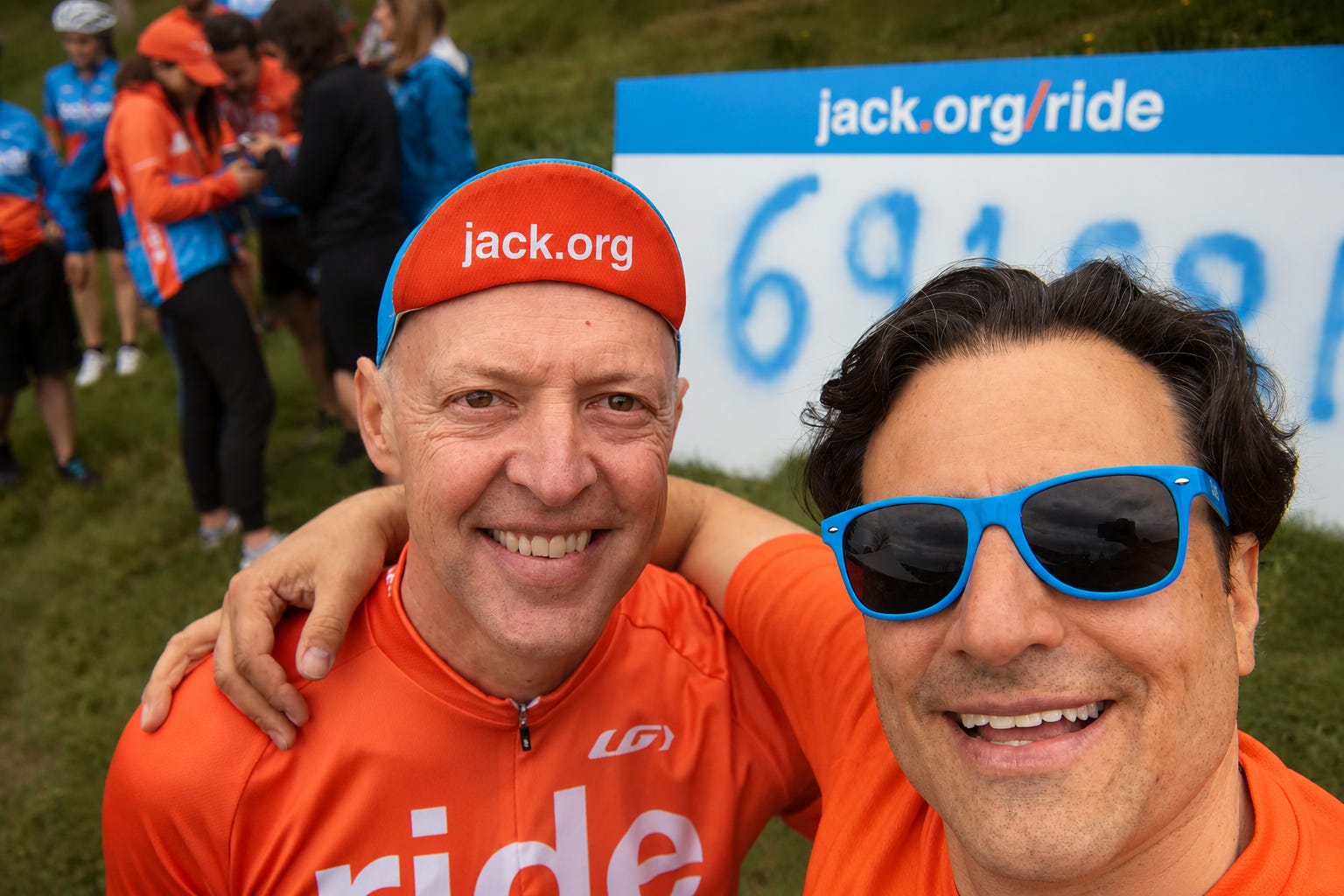
I received the news two days ago, and I was shocked. Eric Windeler had died peacefully, surrounded by family, at age 65.
A great many people who work in mental health in Canada knew Eric or his youth mental health movement, Jack.org. Eric built Jack.org into a national force. He and his wife, Sandra Hanington, received Canada’s Meritorious Service Cross and the King Charles III Coronation Medal in recognition of their work in youth mental health, among other honours. I had the privilege of knowing the person behind it all.
Eric and Sandra lost their son Jack in 2010. Jack was eighteen, a first-year university student, and his struggles were largely invisible to the people around him.
Determined to transmute their loss into learning, Eric, Sandra, and a few devoted friends named stigma the enemy. They set out to start conversations about mental health, with Canada’s youth in the lead. Today, Jack.org powers youth-led mental health programs such as Jack Chapters, Jack Talks, and the Jack Summit, as well as fundraisers like the Jack Ride.
The premise underneath all of it is simple. Young people are the most effective leaders in this conversation. Stigma kills, and silence isolates. People need language for mental health before the worst happens, not after.
How We Met
Eric and I both had offices at the MaRS Discovery District in Toronto. We had plenty of proper sit-down meetings, but every few months we would take a walk together. Eric was a big believer in his 10,000-step-a-day goal. We would set out from our homes in midtown and walk all the way downtown, talking about the organization, the brand, and what it would take to change the story for the next generation. Those walks are some of the best memories I have of him.
When we met, what he had started was still called The Jack Project and had an overbranding problem. The youth gathering now known as the Jack Summit was called Unleash the Noise, with no connection to the Jack name, and it included a host of disconnected initiatives. My team changed the name from The Jack Project to Jack.org and made that the only brand name. It brought clarity, and it turned the name itself into a call to action.
One of the highlights of my career as a branding expert was the day they launched the new Jack.org. Eric was surrounded by young people in cyan-blue-and-white-branded swag. At the big moment, they threw their Jack.org hats into the air. I was blown away. The determination and grace with which they pulled it off were something to behold.
The Weight He Carried
From the outside, Eric looked like a man who had survived the worst kind of tragedy and built something vibrant in its place. What people didn’t always see was that part of his work meant holding other people’s grief.
I was the DJ for the annual Jack Ride for several years. It was a joyful day. But every year, parents would come who had lost a child to suicide, some running their own rides in their own child’s name. Eric was a sweet soul. Even as busy as he was that day, you could see how much their grief landed on him, and how deep inside it ate at him that he couldn’t do more for them.
The Language He Didn’t Have
What connected us is that neither of us chose to work in mental health so much as we couldn’t refuse it, because of loss, love, and a call to do something.
In my case, my wonderful father died after years of treatment-resistant depression. He was a psychiatrist, so he was seen quickly by people at the top of their field. It simply wasn’t good enough. He had managed his illness well enough for most of his life, until he couldn’t. And as terrible as it may sound, when he took his own life, there was relief that his suffering was finally over. If it weren’t for Eric and Jack.org, I might carry shame about how my father died. Instead, I feel no different than I would if he had died of cancer or heart disease.
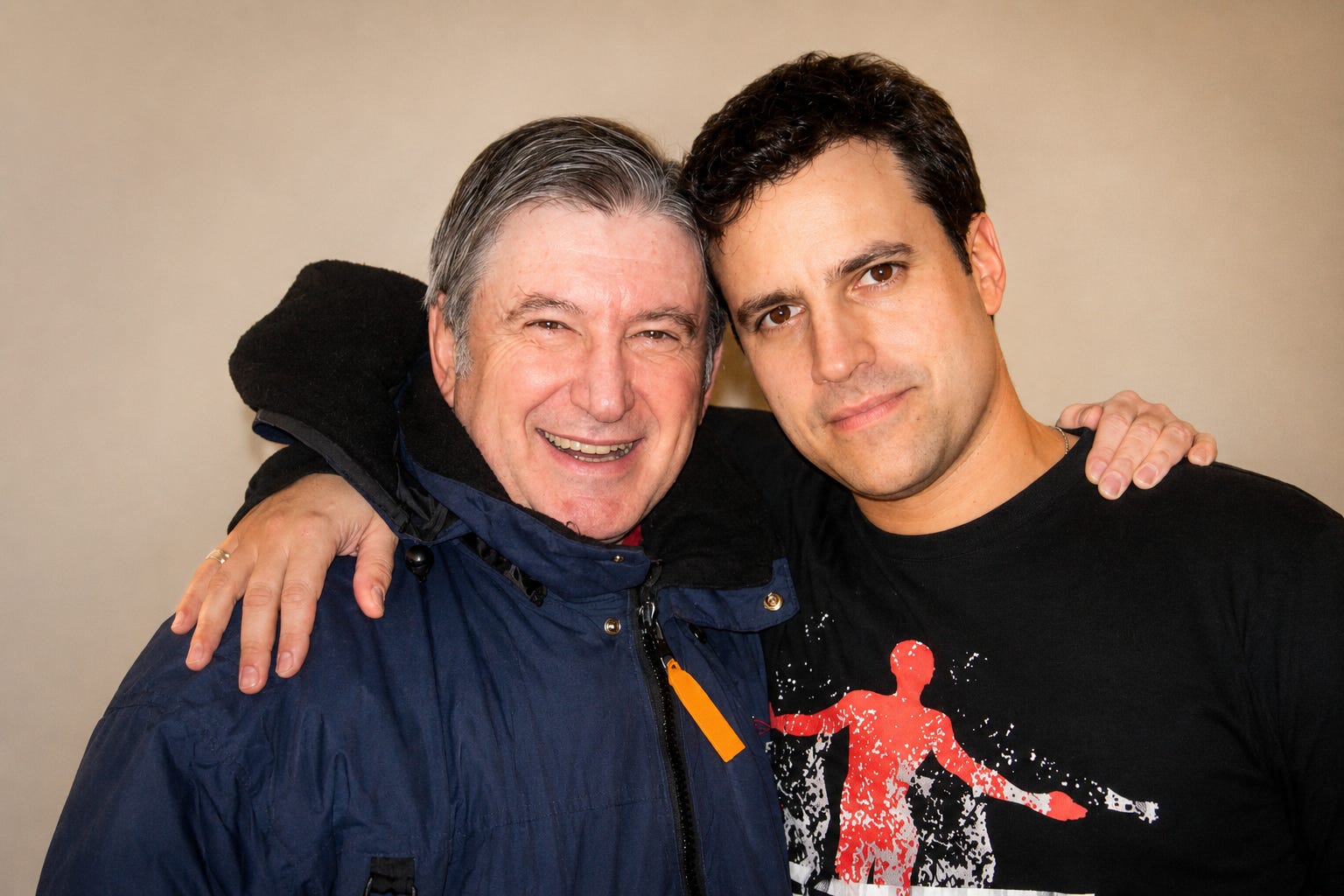
Stigma was not the cause of my Dad’s death, but it was surely a contributor. It became internalized in him at a young age. His depression fused with his identity. He grew up in an era when mental illness carried deep shame, when a person could come to believe that they were their depression.
This is what Eric understood. For the young Canadians who encounter Jack.org through a Jack Talk, a Chapter, or Be There, the hope is simple: that they come to see mental illness as no more shameful than any other illness. My father never really received that gift. Its absence shaped his suffering and, I believe, his death. Had he been young today, in the world Eric and the Jack.org team helped build, things might have been different.
What Comes Next
Just last year, I found myself sitting next to Eric at meetings for a new charity he was advising, where I had been brought in to help with the branding. A few weeks later, we met up for what was to be our last long walk. As we caught up, he was very interested in my work with Low-5 and psychedelics, not just for mental health but for the potential of neurogenesis. He gave me solid advice on how to grow The Pattern Project into a professional, enduring organization. Thank you, Eric.
Sitting with the sadness these past days, I keep coming back to how much is still unfinished. The stigma is improving, and so maybe are the treatments. Still, it is nowhere near what we need. But young Canadians now have a language my father never had, thanks to what Eric, Sandra, and a small, devoted group built.
Jack.org has shared a beautiful page in Eric’s memory. Please read it, and consider supporting his legacy: https://www.jack.org/rememberingeric
The Pattern Project is a volunteer research collective studying Low-5 (low-dose 5-MeO-DMT) and the integrated clinical tools that may, in time, help people like my father. If this piece resonated, you can subscribe to follow our work.
sorry to hear about your friend. i wholeheartedly support your work with psychedelics to help people with treatment resistant depression (TRD) - Ayahuasca, psilocybin, huachuma, hapé (ceremonial tobacco), etc have all helped me. i've also heard a lot of people have success with ketamine for TRD. thank you for the work you're doing.